Dr. Maria Montessori Philosophy
A Method Built on Observation, Not Assumption
Dr. Maria Montessori developed her approach through direct, careful observation of real children. Her core discovery: children are not empty vessels waiting to be filled. They are natural learners, driven by an inner drive to understand the world around them.
Her philosophy was built on the idea that all children develop in stages — what she called "planes of development." Each plane has its own characteristics, needs, and opportunities. Montessori education is designed to meet children exactly where they are in each stage.
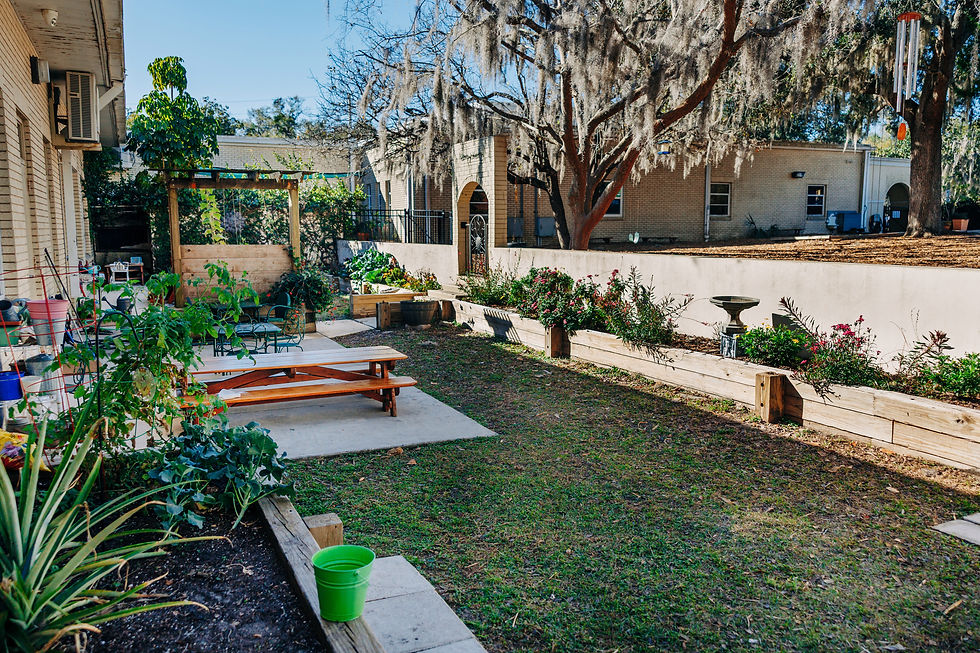
Planes of Development
Four Stages. One Continuous Journey.
Ages 0–6
The Sensorial Explorer In the first plane, children absorb the world around them through their senses. They are building language, movement, order, and independence through direct experience — not instruction.
Ages 6–12
The Reasoning Mind In the second plane, children shift from concrete to abstract thinking. They seek to understand cause and effect, explore moral questions, and discover their place in the wider world.
Ages 12–15
The Humanistic Explorer In the third plane, adolescents are building identity. They need real work, real responsibility, and real contribution to their community to develop a confident sense of who they are and what they can offer.
Ages 15–18 (Not offered)
In the fourth plane, young adults refine their sense of purpose and prepare for independence. They deepen critical thinking, develop specialized interests, and learn to contribute meaningfully to society through collaboration, and real-world experiences.

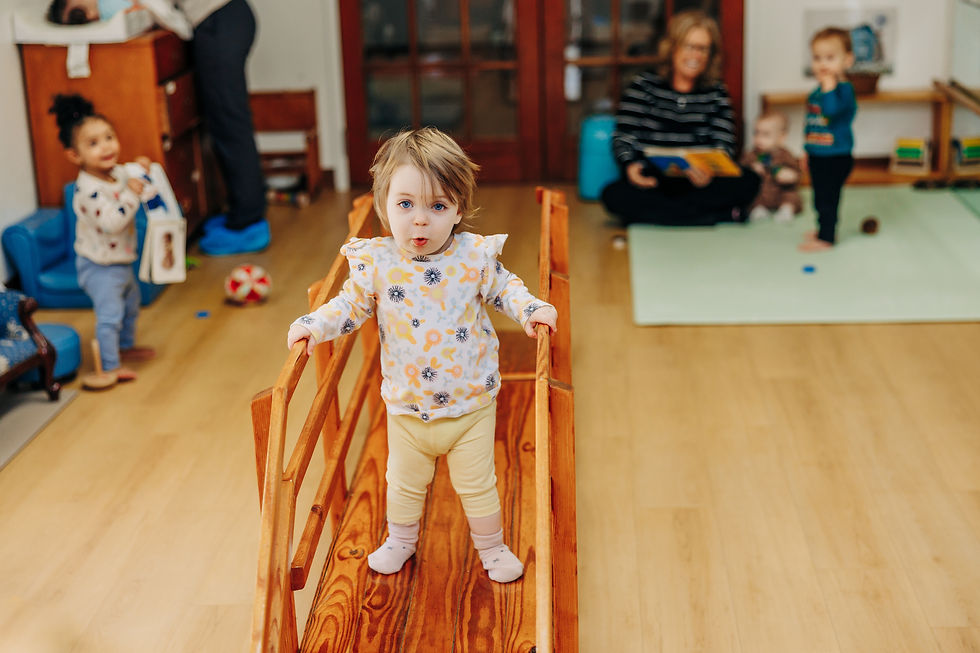
The Classroom
Every Detail Has a Purpose
Montessori classrooms are called "prepared environments" — because nothing in them is accidental. Materials are arranged by area of learning, sequenced from simple to complex, and designed to be used independently. Children work at their own pace, in three-year cycles with the same teacher, building deep relationships and a true sense of continuity.
The teacher — called a directress in Montessori tradition — is not a lecturer. She is a guide. Her role is to observe, to introduce, and then to step back — trusting the child to do the work.
Nurturing the Whole Child
Academic Achievement Is Only Part of the Story
Montessori education develops the complete human being — not just the student. Alongside literacy, numeracy, and critical thinking, our children develop emotional regulation, social awareness, physical coordination, and a deep sense of personal responsibility. We believe that a child who knows how to manage themselves, relate to others, and contribute to their community will always have an advantage — in school and in life.


Our Teachers
Not Lecturers. Guides.
In a Montessori classroom, the teacher's role is one of the most precise and disciplined in education. Our directresses are trained to observe carefully, introduce materials at exactly the right moment, and then step back — trusting the child to do the work. They resist the urge to interrupt. They watch for the moment of concentration and protect it. They guide without taking over.
"The essence of her duty is not to interrupt the child in his efforts."
— Dr. Maria Montessori
Multi-Age Classrooms
Why We Don't Group Children Strictly by Age
In every Montessori classroom, children of different ages learn alongside one another in three-year cycles. Younger children learn by observing older peers. Older children reinforce their own understanding by helping those who are just beginning. This is not incidental — it is intentional, and it mirrors the way children naturally develop in healthy communities. It also builds genuine leadership, empathy, and collaboration in ways that same-age groupings rarely can.


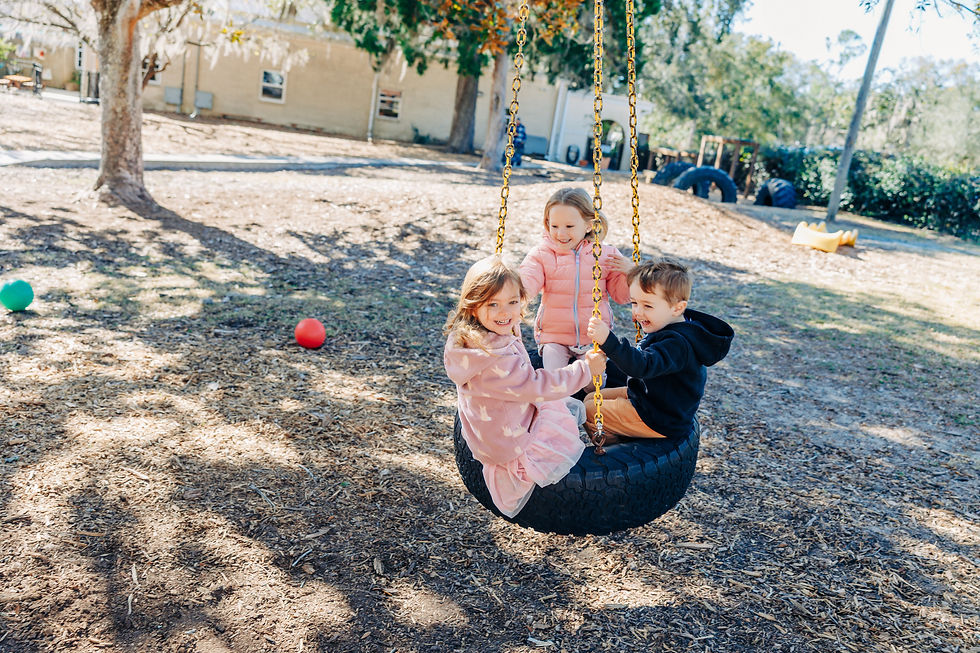
Every Child Is Different
No Two Children Follow the Same Path
In a Montessori environment, there is no single lesson delivered to the whole class at once. Each child works with materials chosen for their individual developmental level — moving forward when they are ready, spending more time where they need it. Progress is not measured against the group. It is measured against the child's own potential, observed daily by a trained guide who knows them well.
Structure and Freedom
Freedom Is Built Within the Right Boundaries
A Montessori classroom may look relaxed from the outside, but it is governed by clear, consistent expectations. Children choose their own work — but within a prepared environment with defined materials and purposeful activities. They move freely — but with respect for the work of others. This balance of freedom and structure is deliberate: it builds self-regulation, concentration, and intrinsic motivation far more effectively than external control.
Is Montessori Right For Your Family?
Every Family Is Different. Here's How to Think About It.
Choosing a school is one of the most important decisions a parent makes. The right fit depends on your child, your values, and what you want education to look like.
Montessori Education
-
Start at school early (2-3 years)
-
Mixed ages in a classroom
-
Freedom to move around the room
-
Family atmosphere
-
Individual and small group lessons
-
Self-correcting materials
Traditional Education
-
Start at school late (4-5 years)
-
One grade level per classroom
-
Sit at desks
-
Limited socialization
-
Large group lessons
-
Teacher as a source of answers