Ages 12–15 · Grades 7–9
Middle School
Real Work. Real Responsibility. Real Growth.
Our Adolescent Program — known in Montessori tradition as Erdkinder — is designed for the developmental reality of early adolescence. Not just academic growth, but the whole person.

Schedules We Offer
Choose the Schedule That Works for Your Family
We offer flexible scheduling options to suit different family needs. All programs include optional Before Care where noted.
Middle School School Day
8:15 AM – 3:30 PM
$1,310/month
Middle School Full Day
7:00 AM – 6:00 PM
$1,710/month
Middle School Early Dropoff (optional)
7:00 AM – 8:15 AM
$170/month (if not on Full Day)
Scholarships may be available to help offset tuition costs.


The Adolescent Plane
Adolescents Need More Than a Classroom
Dr. Montessori understood that adolescence is not simply an older version of childhood. It is a distinct developmental stage — one characterised by a need for social independence, personal dignity, and the chance to make a real contribution to something larger than oneself.
Our Adolescent Community is built around that understanding. Students here don't just study — they work. They collaborate, take responsibility, build community, and discover who they are through meaningful, real-world activity.
The Curriculum in Practice
Hands, Mind, and Heart — All at Once
In Middle School, students develop a strong sense of responsibility, build character, and even learn entrepreneurial skills.
Writing
Writing is taught as a tool for authentic expression, communication, and contribution to the community. Rather than focusing on isolated drills, students write across disciplines—crafting research reports, persuasive essays, creative pieces, and reflective journals connected to real-world projects. Writing is integrated into meaningful work, whether it’s documenting a science experiment, presenting a business plan, or sharing reflections on a community service experience. This approach not only strengthens grammar and composition skills, but also helps adolescents discover their voice, refine critical thinking, and develop the confidence to communicate effectively in diverse contexts.
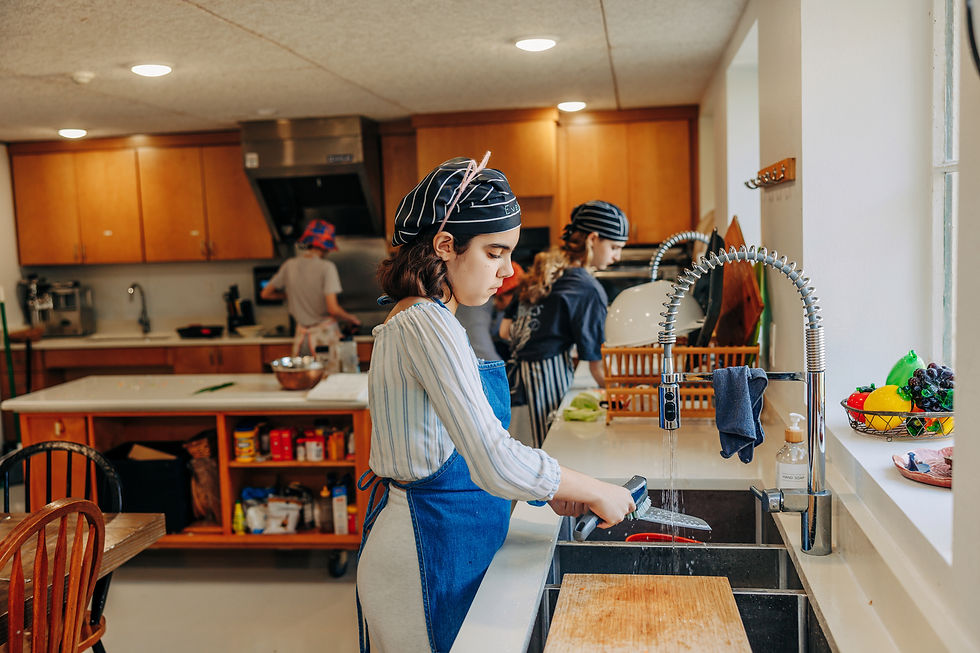
Meal Preparation
Cooking and baking are essential life skills that foster independence, responsibility, and community building. Students learn to plan meals, follow recipes, manage budgets, and work collaboratively to prepare food for themselves and others. Beyond practical skills, these experiences nurture creativity, confidence, and an understanding of nutrition, while also reinforcing math, science, and cultural studies in meaningful, hands-on ways.
Business Skills
Students are encouraged to develop entrepreneurial skills by creating and running small businesses. These enterprises—whether they involve baking, gardening, crafts, or services—are designed and managed by the students themselves, giving them firsthand experience with planning, budgeting, marketing, and teamwork. Through this process, adolescents learn responsibility, resourcefulness, and the value of contributing to their community.
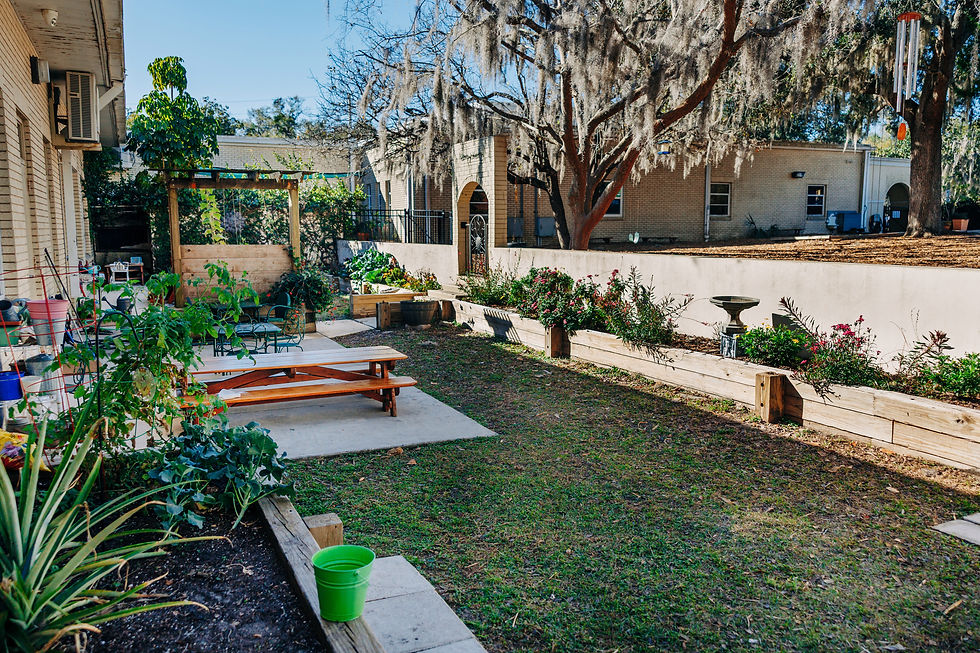
Gardening
Gardening and land stewardship are central to the curriculum. Students work directly with the soil—planting, tending, harvesting, and caring for the environment around them. These experiences teach practical skills in agriculture and ecology while fostering responsibility, patience, and respect for nature. By learning to care for the land, adolescents gain a deeper understanding of sustainability, the food cycle, and their role as stewards of the earth.
FAQs
Everything You Need to Know
Is this accredited as a Grade 7–9 program?
The Middle School Program covers the equivalent of Grades 7, 8, and 9 within the Montessori framework.
How do graduates transition to high school?
Montessori graduates transition to high school very well. The self-direction, time management, and critical thinking developed here prepare students for the demands of high school, including honors and advanced programs.
Do students still take standardized tests?
Yes. Middle School students take the Iowa Assessments annually.
What does a typical day look like?
Days are structured around integrated projects, practical work (gardening, cooking, business), collaborative study, and community responsibility. There is no rigid class-period schedule.