The Difference Between Montessori and Daycare

When families begin looking for care for a young child, one of the first questions they ask is:
"What's the difference between Montessori and daycare?"
The truth is, both provide safe, nurturing environments where children can grow. But they are designed with different primary goals in mind.
While daycare focuses primarily on providing care for children while parents work, Montessori is first and foremost an educational environment—one designed to support a child's development from the very beginning.
Understanding that difference can help you choose the environment that's the best fit for your family.
Care vs. Education
Every quality early childhood program provides care. Young children need loving adults who keep them safe, comfort them, and meet their physical needs.
Montessori certainly does that.
But Montessori also views every moment of the day as an opportunity for learning.
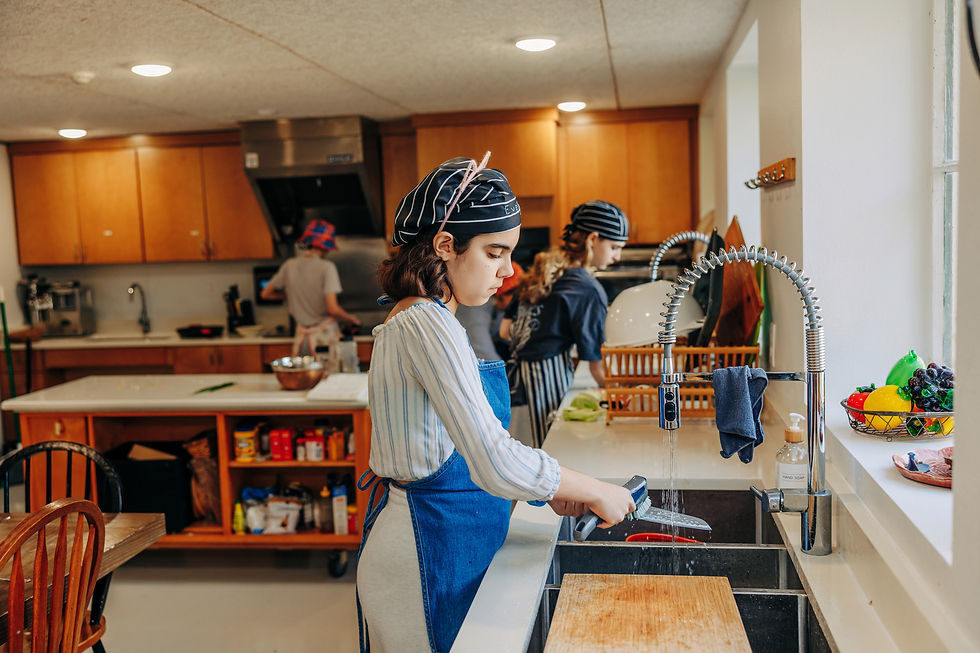
Whether a child is preparing a snack, washing their hands, putting on a coat, caring for a plant, or building with carefully designed learning materials, they're developing concentration, coordination, independence, problem-solving skills, and confidence.
The goal isn't simply to keep children occupied—it's to help them grow.
Purposeful Activities Instead of Busy Work
Walk into an authentic Montessori classroom and you'll notice something different.
Children aren't all doing the same activity at the same time.
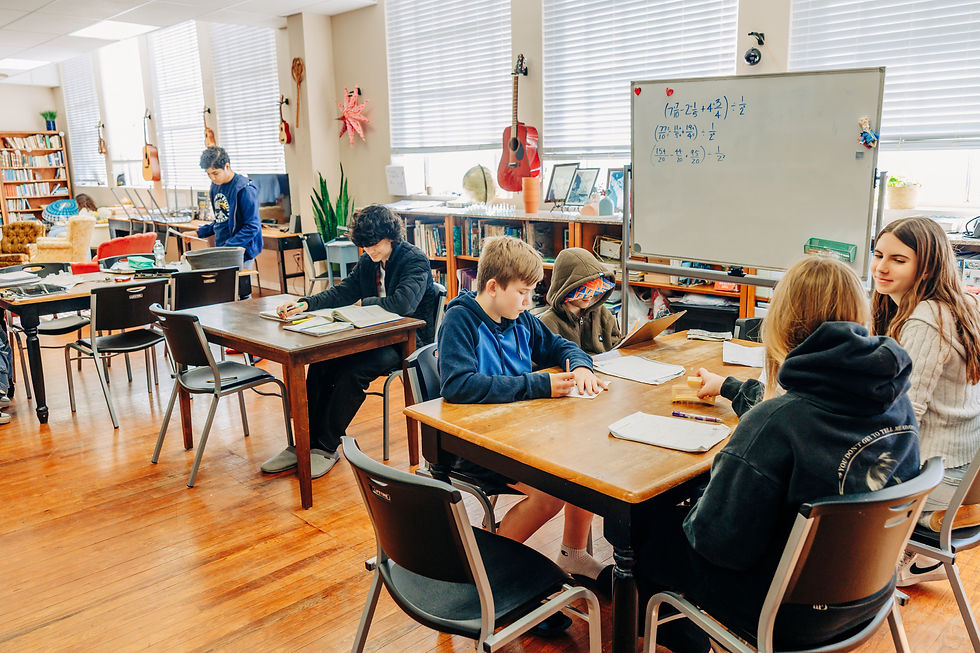
Instead, they're engaged in purposeful work that matches their stage of development. One child might be building early math concepts with hands-on materials, another may be practicing writing, while someone else is carefully pouring water or arranging flowers.
To an outside observer, these activities may look simple.
In reality, each one has been carefully designed to build specific skills while allowing children to experience the satisfaction of accomplishing meaningful work on their own.
Independence Starts Early
One of the hallmarks of Montessori education is helping children become capable and independent.
Rather than doing everything for children, Montessori guides ask:
"What can this child learn to do for themselves?"
Children practice pouring their own drinks, cleaning up spills, choosing their work, caring for their classroom, resolving conflicts respectfully, and making age-appropriate decisions.
These everyday experiences build confidence that lasts far beyond the classroom.
Teachers and Guides
In many childcare settings, adults direct much of the day's schedule and activities.
In Montessori, trained guides carefully observe each child, introduce new lessons when the child is ready, and provide just enough support for success.
The classroom is intentionally prepared so children can make meaningful choices, work independently, and develop at their own pace.
Rather than leading every moment, the guide creates the conditions for learning to flourish.
Learning at Each Child's Pace
Children don't all develop on the same timeline.
Some become fascinated with letters before numbers. Others spend weeks perfecting a practical life activity before moving on to something new.
Montessori embraces these differences.
Instead of expecting every child to reach the same milestone on the same day, lessons are introduced when each child is developmentally ready.
This individualized approach helps children experience challenge without unnecessary frustration or pressure.
A Prepared Environment
Every detail of a Montessori classroom has a purpose.
The shelves are organized. Materials are placed within children's reach. Furniture is child-sized. Learning materials progress from simple to complex and invite exploration.
The environment itself encourages children to become confident, independent learners.
It's often said that in Montessori, the classroom is the "third teacher."
More Than School Readiness
Many families ask whether Montessori prepares children for kindergarten.
The answer is yes—but that's only part of the story.
Montessori prepares children for life.
Children leave with strong academic foundations, but they also develop qualities that are harder to measure and incredibly valuable:
Independence
Curiosity
Confidence
Responsibility
Self-discipline
Problem-solving skills
Respect for others
A lifelong love of learning
These are the qualities that continue serving children long after they've learned to read or count.
Choosing the Right Fit
Every family's needs are different, and there are many wonderful early childhood programs.
If your primary need is dependable childcare, a quality daycare may be exactly the right choice.
If you're looking for an environment intentionally designed to nurture your child's intellectual, social, emotional, and physical development through hands-on learning and growing independence, Montessori offers something different.
More Than a Place to Spend the Day
At Mount Dora Montessori, we believe children are capable from the very beginning.
Our classrooms are carefully prepared to meet each child where they are, encouraging curiosity, independence, and joyful learning through meaningful experiences every day.
Because childhood isn't simply a season to be cared for—it's a remarkable opportunity to build the foundation for a lifetime of learning.

Comments