How Children Develop Independence (And Why It Matters)

There's a moment every parent recognizes.
Your child insists on putting on their own shoes. You're already running late. You know you could do it in five seconds, but they are determined to do it themselves.
It's tempting to step in.
But something important is happening in that moment.
Your child isn't just learning to put on shoes. They're learning to solve problems, work through frustration, and trust their own abilities.
They're learning independence.
At Mount Dora Montessori, we believe independence is one of the greatest gifts we can give a child. And it begins much earlier than most people realize.
Independence Isn't Something Children Suddenly Develop
We sometimes think of independence as a milestone children reach when they're older—when they can drive, manage their homework, or make important decisions on their own.
But independence develops gradually, through hundreds of small experiences that begin in infancy.
A baby reaching for a toy.
A toddler learning to feed themselves.
A preschooler carefully pouring a glass of water.
An elementary student planning their own work.
A middle school student managing a budget or organizing a community event.
Each experience builds on the last.
Children don't become independent because adults tell them to be. They become independent because they've had opportunities to practice.
The Power of "I Can Do It Myself"
Maria Montessori observed that children have a natural drive toward independence.
Anyone who has spent time with a toddler has seen it firsthand.
"Me do it!"
That determination can sometimes test our patience, but it's also something worth protecting.
When a child successfully completes a task on their own, something powerful happens. They begin to develop a sense of competence.
I can figure things out.
I can overcome challenges.
I am capable.
These beliefs become the foundation for confidence, resilience, and a willingness to try new things.
The goal isn't to make children do everything alone. It's to help them discover what they're capable of doing.
Why Doing Less Can Actually Mean Teaching More
As adults, we're wired to help children.
We tie their shoes, clean up their spills, answer their questions, and solve their problems. Usually, we're acting out of love—or simply trying to get through a busy day.
But sometimes our helpfulness gets in the way of their growth.
Consider a child who is struggling to complete a puzzle.
We could point out exactly where the next piece belongs. The puzzle would get finished faster.
Or we could give the child time to experiment, make mistakes, and discover the solution independently.
The second approach may take longer, but the child gains something beyond a completed puzzle: the experience of working through a challenge.
Montessori Guides are trained to recognize these moments. They observe carefully, offer support when needed, and resist the urge to intervene unnecessarily.
The goal isn't to remove every obstacle from a child's path. It's to help them develop the skills and confidence to navigate obstacles themselves.
Independence Looks Different at Every Age
One of the beautiful things about Montessori education is that independence grows alongside the child.
Infants and Toddlers: Discovering "I Can"
Even our youngest children are developing independence.
In a Montessori infant or toddler environment, children are given opportunities to move freely, explore their surroundings, participate in everyday routines, and gradually care for themselves.
A toddler might practice putting away toys, washing their hands, or serving themselves a snack.
These may seem like small accomplishments to an adult, but to a young child, they're enormous.
Primary (Ages 3–6): Building Confidence Through Everyday Work
In the Montessori Primary classroom, independence becomes increasingly visible.
Children choose purposeful activities, care for classroom materials, prepare food, clean up after themselves, and learn to manage their belongings.
They also begin developing academic independence, selecting work they've been introduced to and practicing skills until they achieve mastery.
Over time, children begin relying less on adults to direct every moment of their day.
Elementary (Ages 6–12): Taking Ownership of Learning
As children enter Elementary, independence becomes more intellectual and social.
Students begin planning their work, pursuing research questions, collaborating on projects, and managing longer-term responsibilities.
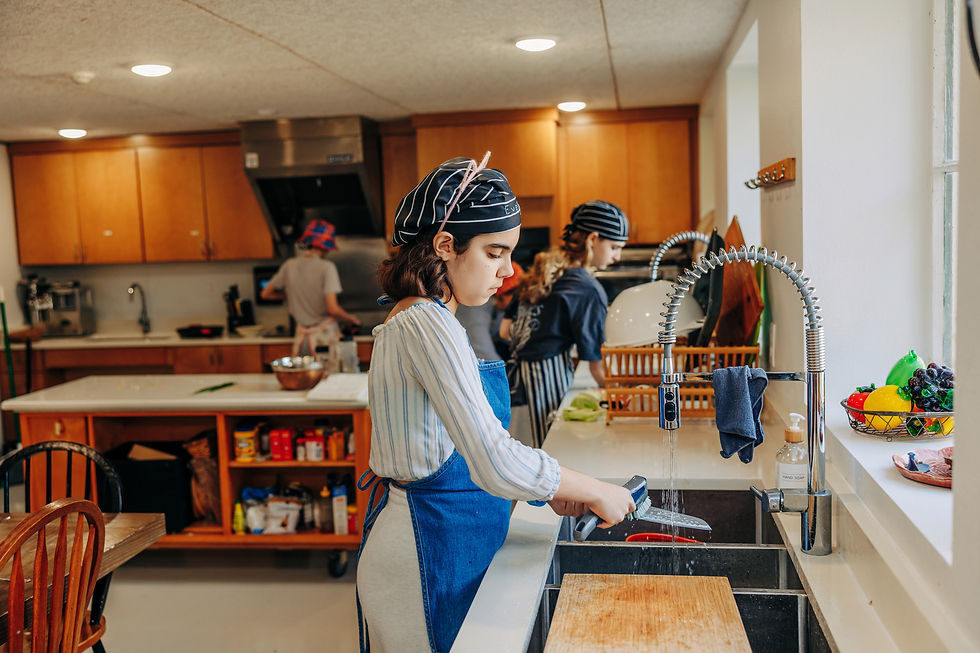
At Mount Dora Montessori, our Elementary students also have opportunities to practice real-world independence, including helping manage our weekly Pizza Day and making decisions about their classroom budget.
These experiences give children authentic responsibility and allow them to see the results of their own planning and effort.
Middle School (Ages 12–15): Independence Meets Accountability
Adolescents have an especially strong desire for autonomy.
They want their opinions to matter. They want meaningful responsibilities. They want opportunities to contribute to the world beyond the classroom.
Montessori recognizes that need.
Our Middle School students manage their own community budget and organize events where they create and sell products, make financial decisions, and work together toward shared goals.
With greater independence comes greater accountability.
Students learn that their choices have consequences, that commitments matter, and that being independent also means being responsible to others.
Independence Builds More Than Practical Skills
Learning to do things independently is about much more than convenience.
When children have opportunities to take ownership of their work and their lives, they're practicing important developmental skills.
Confidence. Children develop trust in their abilities through real accomplishments, not simply through being told they're capable.
Problem-solving. When adults don't immediately provide the answer, children learn to explore possibilities and develop their own solutions.
Resilience. Independence involves mistakes, setbacks, and frustration. Working through manageable challenges helps children develop perseverance.
Executive function. Planning, organizing, managing time, and following through on responsibilities are skills that strengthen with practice.
Responsibility. When children care for their belongings, their environment, and their community, they begin to understand that their actions matter.
These qualities aren't developed through a single lesson. They're built through everyday experiences, repeated over time.
Independence Doesn't Mean a Lack of Structure
One common misconception about Montessori is that encouraging independence means allowing children to do whatever they want.
In reality, Montessori environments are highly intentional and structured.
Children have freedom within clear limits.
They can choose meaningful work, but they're expected to use materials respectfully.
They can work independently, but they're responsible for contributing to the classroom community. They can pursue their interests, but Guides ensure they continue progressing across important academic areas.
Freedom and responsibility develop together.
And independence doesn't mean children never need help. Knowing when to ask for guidance, collaborate with others, or seek support is itself an important part of becoming capable.
How Parents Can Encourage Independence at Home
You don't need a Montessori classroom to nurture independence.
Some of the most valuable opportunities happen during ordinary family routines.
Invite your child to help prepare meals. Let them choose between two appropriate outfits. Give them responsibility for feeding a pet or caring for a plant. Allow them to work through an age-appropriate problem before offering a solution.
For older children, involve them in planning family activities, managing a small budget, or taking responsibility for a project.
And perhaps most importantly, give them time.
Time to try.
Time to make mistakes.
Time to figure things out.
It won't always be the fastest or easiest approach, but the long-term benefits are worth the patience.
We're Not Raising Children. We're Raising Future Adults.
It's easy to become focused on the immediate challenges of parenting and education.
Getting out the door on time. Finishing an assignment. Cleaning up a mess. Making sure everything gets done.
But childhood is also preparation for something much bigger.
One day, our children will need to make decisions without us. They'll face unfamiliar problems, manage responsibilities, navigate relationships, and determine what kind of lives they want to build.
Our job isn't to make every decision for them until that day arrives.
It's to help them develop the judgment, confidence, and skills they'll need along the way.
At Mount Dora Montessori, independence isn't an occasional lesson or a privilege reserved for older students. It's woven into the everyday experience of children from infancy through adolescence.
We believe children are capable of far more than we sometimes give them credit for.
And when we prepare the right environment, provide thoughtful guidance, and give them opportunities to practice, they continually surprise us with what they can accomplish.
Because the goal of education isn't to make children dependent on great teachers. It's to help them become capable, confident people who can think and act for themselves.


Comments